At the moment, there are no entries available for display




The Bank’s Responsible Organisation Framework is anchored in three interconnected elements, illustrated in the Figure 38 below, which collectively guide how the institution manages its operational footprint, strengthens internal culture, and upholds accountability across its value chain.
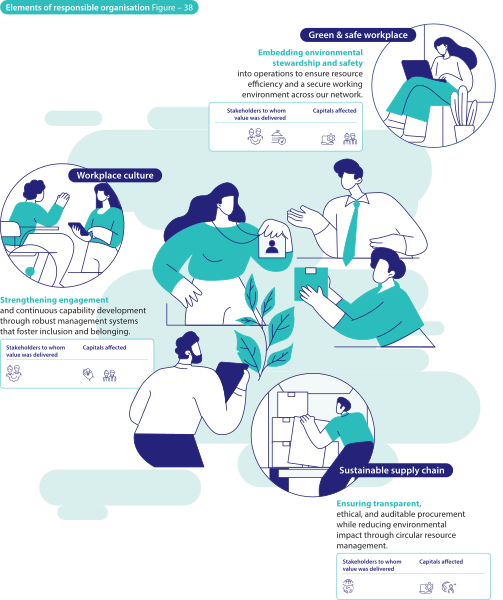

A poster created by a staff member highlighting
creativity and innovation in promoting green
and sustainable workplaces.
Green and safe workplace
Why green and safe workplace matters
A green and safe workplace is foundational to the Bank’s ability to deliver resilient performance, as it ensures the reliability and efficiency of the infrastructure supporting our nationwide service delivery. For a systemically important institution, the physical footprint is more than a backdrop; the well-being, safety, and engagement of the workforce operating this network are critical drivers of institutional stability.
Our day-to-day operational practices – encompassing energy and water stewardship, facility reliability, occupational safety, security readiness, and employee wellness – have direct implications for operating cost discipline and operational risk exposure. Furthermore, these practices are central to maintaining service continuity, ensuring talent retention, and reinforcing the Bank’s long-term franchise strength.
Environmental stewardship within our operations is equally vital. The Bank’s physical presence, procurement patterns, and workplace behaviours directly influence the intensity of resource consumption and the environmental footprint embedded in routine business activity. Consequently, maintaining a green and safe workplace is a governance and performance imperative that underpins our long-term operational integrity and systemic resilience.
Our approach
Commercial Bank recognises that environmental stewardship and workplace safety are not merely discrete compliance activities, but are integral components of robust operational governance. The management of our facilities, the efficiency of resource consumption, and the quality of our working environments directly impact service reliability, operational risk exposure, and cost discipline. Furthermore, these factors are critical to our ability to attract, retain, and deploy top-tier talent across our distributed national network.
Accordingly, our strategy is driven by a clear operational logic: financial and operational resilience are strengthened by infrastructure efficiency and safety readiness, while standardised controls across the network minimise operational variability and avoidable incidents.
To ensure sustained performance, these practices are embedded into routine management processes and supported by:
- Infrastructure investments: Modernising facilities to enhance resource performance.
- Workplace policies & controls: Establishing repeatable standards for safety and environmental care.
- Organisation-wide engagement: Fostering a culture of responsibility so that high standards do not depend on ad-hoc initiatives or individual location-level discretion
In practice, this approach is delivered through three mutually reinforcing priorities:
- Reducing operational environmental impact through resource-efficient infrastructure and operational controls that address energy, water, materials and waste across the branch and office network.
- Maintaining safe, healthy and supportive working conditions through consistent workplace standards, preventive risk management, security readiness and wellbeing measures across locations.
- Embedding awareness and responsible behaviour through structured learning, training and participation mechanisms that support consistent implementation across the network.
Where relevant, these priorities are aligned to the Bank’s broader climate transition agenda and the operational targets and metrics disclosed under SLFRS S1/S2 (e.g., renewable energy adoption and operational energy efficiency).
As part of this broader agenda, the Bank continued its carbon-neutral journey for own operations, combining practical abatement levers with year-round awareness to embed consistent behaviours across a distributed network.
In this context, the Bank’s Climate Position Statement given below reinforces its operational approach by promoting sustainable resource use, supporting the low-carbon transition, and embedding climate considerations into operations and workplace practices.
Climate position statement of Commercial Bank of Ceylon PLC
Figure – 39
Commercial Bank of Ceylon PLC is the leading private bank in Sri Lanka. It also provides Banking and Financial Services to South Asian Countries. The Bank firmly believes that;
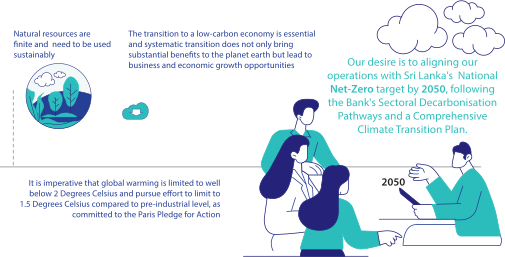
The main geographic locations that the Bank operates; Sri Lanka, Bangladesh, Maldives, and Myanmar are Nations with ambitious National Determined Contributions to limit the Green House Gas Emission for climate change mitigation. The Bank has duly identified its role in providing financial support to its customers in mitigating climate change effects through Climate Financing.
Even with the current levels of Green House Gas Emission in the atmosphere, changes in the climate are likely and will impose serious consequences to many sectors in the economies. Adaptive actions are therefore necessary in addition to the efforts made to mitigate climate change. Further, Asia is regularly identified as one of the regions hardest hit by climate changes. Hence, adaptation to effects of climate change through support to climate resilient agriculture, water resources management, and disaster risk management, etc. are priorities. Accordingly, the Bank assesses climate risks and opportunities associated with banking activities and integrate climate adaptation considerations to the Banking Operations, as well as to its product and service offerings.
Climate Financing is a subset of the Bank’s broader Green Financing commitment to positively contribute towards safeguarding the environment. Our Green Financing Strategy, reinforces the commitment to integrate climate change mitigation and adaptation actions and environment safeguard factors into its business strategies, risk management, and governance.
We are committed to aligning our operations with Sri Lanka's national Net Zero target by 2050, following the Bank’s sectoral decarbonisation pathways and supported by a comprehensive climate transition plan.
Key developments during 2025
During 2025, the Bank advanced a combination of governance-aligned climate transition initiatives, infrastructure improvements, repeatable resource-efficiency controls, workplace readiness measures, and organisation-wide engagement and recognition mechanisms, all designed to be scalable across its distributed network.
Reducing operational environmental impact
Renewable energy adoption
As part of its ongoing commitment to advancing sustainable energy solutions, the Bank has fully integrated solar power across all Bank-owned branches, bringing the total number of solar-powered locations to 89. The total installed solar capacity as at year end stood at 2,370 kW, significantly reducing reliance on conventional grid electricity and lowering the Bank’s carbon footprint.
In addition to contributing to national renewable energy goals, this initiative enhances long-term energy security and operational cost efficiency.
Building on this strong solar foundation, the Bank is exploring opportunities to diversify into other renewable energy solutions in the future.
The Table 13 indicates the Bank’s utility power consumption and greenhouse gas (GHG) emissions performance for the five-year period ended December 31, 2025.
Utility power consumption and GHG emissions
Table – 13
| Indicator | 2025 | 2024 | 2023 | 2022 | 2021 |
| Total utility power (CEB/LECO) consumption (Gigajoules) | 48,941 | 48,129 | 46,971 | 38,416 | 42,906 |
| Increase/(decrease) in utility power consumption (Gigajoules) | 812 | 1,158 | 8,555 | (4,490) | (2,139) |
| Direct (Scope 1) GHG emissions (CO₂ Tonnes) | 862 | 630 | 868 | 1,880 | 1,203 |
| Energy indirect (Scope 2) GHG emissions (CO₂ Tonnes) | 6,173 | 6,669 | 5,586 | 6,496 | 7,144 |
| Solar power generated (Gigajoules) | 8,865 | 8,337 | 7,556 | 5,796 | 1,008 |
| Solar power generated as % of utility power consumption (%) | 18.11 | 17.32 | 16.09 | 15.09 | 2.35 |
Energy and infrastructure efficiency
In 2025, the Bank further strengthened its digital backbone and physical infrastructure to enhance operational reliability, efficiency, and overall energy performance across its network, as illustrated in Figure 40 below:
Enhancing energy & infrastructure efficiency
Figure – 40
IT Infrastructure upgrade
- Streamlined server capacity, storage, and processing power
- Automated technical processes and reduced unused capacity
AI-Enabled ATM diagnostics
- AI system for root cause analysis of ATM breakdowns
- Faster corrective action, improved reliability, and lower maintenance costs

Data centre resilience
- Strengthened backup power and cooling systems
- Improved uptime and energy management
Branch network efficiency
- Repaired and reused equipment, reducing material waste
- Pilot smart facility management system introduced
Key outcomes
Higher system uptime
Stronger business continuity
Lower operational risk & cost
Digitalisation and process optimisation
In 2025, the Bank advanced its digital transformation agenda by embedding technology deeper into internal workflows and service delivery channels. Trade operations enhanced their digital processing capabilities, moving closer to fully electronic documentation and submission frameworks. Workflow automation reduced processing layers, improved accuracy, and shortened turnaround times across operational functions.
Within Card Services, customer communication and authentication processes were further digitised. E-statements exceeded 60% adoption, while SMS-based PIN issuance and digital receipts replaced traditional physical formats. These measures streamlined operations, reduced administrative overheads, and enhanced customer convenience while supporting process integrity and data security.
Beyond efficiency gains, digitalisation reduced dependence on physical documentation and storage, contributing to lower material consumption and improved operational sustainability metrics.
Water, materials, and waste management
Although the Bank’s direct water consumption is relatively low given the nature of our operations, we continue to run awareness campaigns and implement practical controls to reduce usage further and prevent avoidable wastage across our network.
A key water-efficiency intervention in 2025 was the deployment of standardised controls across multiple locations: Cascade plug-in automation inline water systems were installed at 35 operational sites, regulating supply and reducing avoidable wastage through infrastructure-embedded controls
rather than behavioural reliance. During the year, the Bank also formally committed to supporting SDG 6 – Clean Water and Sanitation, reinforcing its responsibility to promote efficient water use and sustainable water management within its operational footprint.
Waste management discipline continued through structured recycling practices, responsible handling and disposal of electronic waste, and further efforts to reduce reliance on single-use plastics and disposable materials, including removing plastic packaging for purchased items and replacing with eco-friendly alternatives.
Maintaining safe, healthy, and supportive working conditions
The Bank remains committed to fostering a workplace environment that safeguards employee health, promotes wellbeing, and enables sustainable performance. In 2025, our approach to maintaining safe, healthy and supportive working conditions was strengthened through structured policies, preventive healthcare initiatives, flexible work practices, and targeted wellbeing programs as illustrated below.
Maintaining safe, healthy, and supportive working conditions
Figure – 41
Promoting work–life balance & flexibility
- Formalised flexible work arrangements across all departments to support work–life balance and improve employee engagement.
Safety preparedness
- Held regular fire drills and emergency response simulations.
- Provided training in first aid, fire safety, and crisis management.
- Upgraded premises and centralised security monitoring.

Preventive healthcare & physical wellbeing
- Built three in-house gymnasiums.
- Provided mobile annual health check-ups and targeted screening programs.
- Organised breast cancer awareness programs for staff.
Mental & digital wellbeing support
- Conducted workshops on stress management, child protection awareness, and digital health.
Inclusive & supportive culture
- Integrated wellness, open communication, and recognition programs to foster a culture of care and collaboration.
Promoting work–life balance and flexible work models
Following a successful pilot phase, flexible work arrangements were formally introduced across all departments in February 2025. This initiative supports improved work–life balance, enhances employee engagement, and contributes to sustained productivity while ensuring operational continuity.
Strengthening preventive healthcare and physical wellbeing
The Bank expanded its health infrastructure and screening initiatives to promote early detection and preventive care. Key measures included:
- Establishment of three in-house gymnasiums, with two additional facilities planned, encouraging physical fitness and healthy lifestyles.
- Mobile annual health check-ups supported by reminder campaigns to ensure high participation.
- Targeted screening programmes, including eye and dental check-ups.
In addition, breast cancer awareness programmes were conducted in partnership with Indira Cancer Trust, reinforcing the importance of early detection and access to medical guidance for employees and the wider community.
Supporting mental and digital wellbeing
Recognising the importance of psychological safety and resilience in a high-performance environment, the Bank conducted structured workshops on stress management, child protection awareness, and digital health. These initiatives help employees manage workplace pressures, navigate digital risks responsibly, and maintain overall wellbeing.
Fostering an inclusive and supportive culture
Health and safety are embedded within a broader culture of care, inclusion and recognition. HR-led initiatives integrated wellness, open communication, and employee recognition into daily operations, strengthening engagement and reinforcing a connected workplace environment.
Safety preparedness
The Bank maintains a proactive approach to workplace safety through regular fire drills, evacuation exercises, and emergency response simulations conducted across branches and offices. These initiatives strengthen employee awareness and preparedness for unforeseen events.
Specialised training in first aid, fire safety, and crisis management equips staff to respond effectively to medical emergencies, natural disasters, and workplace incidents. Ongoing safety awareness campaigns further reinforce a culture of vigilance, shared responsibility, and business continuity.
Premises upgrades and the enhanced security control room capability also contributed to workplace safety outcomes by improving the suitability of work environments and strengthening monitoring and response capability.
Embedding sustainability awareness and responsible behaviour
Because the Bank operates through a geographically distributed footprint, consistent implementation of environmental and safety practices depends on staff awareness and capability. During 2025, the Bank strengthened adoption through structured participation, learning platforms and training.
To embed ownership beyond central teams, the Bank also leveraged internal ‘Future Force’ members as local champions within business units, supporting practical adoption of green concepts in day-to-day routines. This helps translate policies and targets into branch- and unit-level behaviours, improving consistency of implementation across locations.
A highly visible participation mechanism was the Sustainability Creativity Challenge, structured under EcoLens, GreenFrame and EcoVision, which achieved broad internal engagement with over 180 submissions and over 2,000 employees participating in intranet voting. To support sustained learning, the Bank introduced a dedicated Sustainability Learning Hub on its intranet, providing tools and curated learning resources, with more than 20 sustainability-related articles published during the year. Capability-building was reinforced through 25 sustainability-related training programmes, reaching 825 staff members, supporting consistent implementation of sustainability-related controls and expectations across locations.
To reinforce implementation discipline through recognition, the Bank also promoted a Best Sustainable Branch and Department Award concept, designed to encourage innovation and highlight practical improvements that can be replicated across the network. By recognising measurable, local solutions, the programme supports a sustained sustainability culture rather than one-off initiatives.
Cross-functional adoption enablers
Delivery of this agenda is supported by cross-functional enablers so that ‘green and safe workplace’ outcomes are embedded in how the Bank operates, serves customers and manages operational risk. Customer experience and service teams reinforce day-to-day behaviours across the network, while digital banking and information security functions strengthen safe adoption of digital channels through ongoing awareness on security features, fraud prevention and cyber hygiene. HR supports culture and capability through training and engagement, premises teams institutionalise energy-efficient practices through infrastructure and controls, and marketing reinforces key sustainability messages to strengthen internal and external alignment.
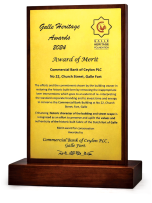
Commercial Bank’s Fort branch receives the Award of Merit at the Galle Heritage Awards 2024 for its commitment to preserving the historic character and architectural authenticity of the Dutch Fort of Galle.
Targets and metrics
Figure – 42
Given first-time SLFRS S1/S2 adoption, the following metrics track the operational targets and performance indicators already defined under the sustainability-related financial disclosures, using them as the anchor set of metrics.
Renewable energy adoption
(Sri Lanka Operations)
- Milestone: by 2030, achieve a 40% reduction in grid electricity consumption from the 2024 baseline; longer-term pathway includes grid-tie solar integration in new builds/renovations and maximising solar potential over time.
- 2025 progress:
18.42 %
reduction in grid electricity consumption on 2024 baseline driven by on-site solar generation;
1,028 tCO2e
emissions reduction
Share of energy supplied by on-site solar increased from 17.32% (2024) to
18.11 %
(2025)
Total installed solar capacity at year end:
2,370 kW
Energy efficiency
(Sri Lanka Operations)
Milestone: by 2030, achieve a 20% reduction in total energy consumption from 2024 baseline; longer term includes deployment of smart utility controls/Building Management Systems (BMS) across major facilities.

2025 progress: energy intensity per employee decreased to
2,609 kWh/employee
2,688 kWh/employee (2024) (≈3% improvement).
These performance outcomes are reflected in Table 41 – Renewable Energy Adoption and Table 42 – Energy Efficiency of Bank’s Operations under SLFRS Sustainability-related Financial Disclosures

Outlook for 2026
Looking ahead, the Bank’s focus will be to scale resource-efficiency and safety readiness while preserving the discipline of repeatable controls, measurable outcomes and disclosure-ready data quality. This includes expanding renewable energy and efficiency interventions where feasibility supports scale, strengthening monitoring and control through digitalisation (e.g., smart utility integration/BMS), and continuing to reinforce consistent standards across a distributed footprint through training and engagement mechanisms, while sustaining supportive workplace conditions that strengthen employee wellbeing, readiness and retention over time.
As SLFRS S1/S2 reporting matures, the intent is to strengthen the link between operational initiatives and the specific performance indicators of resilience, cost efficiency and risk reduction, demonstrating not only what was implemented, but how it is improving operational outcomes over time.
Workplace culture
Why workplace culture matters
At Commercial Bank, workplace culture is treated as an operating system that directly influences execution quality, service consistency, risk discipline and long-term resilience. As a systemically important bank with a distributed branch network, performance depends on thousands of daily decisions taken across locations. Culture therefore shapes not only employee experience but also productivity, governance standards and franchise stability.
Rather than positioning culture as a standalone HR theme, the Bank focuses on practical conditions that determine how work is delivered, clarity of expectations, leadership behaviour, employee voice, capability development and wellbeing support.
Our approach
The Bank’s approach to workplace culture is grounded in the belief that sustained engagement and performance depend on clear expectations, continuous capability development, and a measurable employee experience. The focus is on embedding systems that build trust, support career progression, and promote wellbeing – enabling employees to perform consistently while adapting to evolving organisational demands.
This approach is delivered through three interconnected priorities:
- Enhancing employee experience through structured listening mechanisms, responsive HR engagement, and policies that support modern work-life needs.
- Building a future-ready workforce through disciplined talent pipelines and competency-based development aligned with strategic priorities.
- Strengthening motivation and inclusion through recognition, wellbeing initiatives, and targeted support—particularly for women and emerging talent.
Key developments during 2025
Culture of integrity and conduct
A foundational component of workplace culture is the maintenance of high standards of professional conduct. The Bank’s culture framework is built on a comprehensive Code of Ethics supported by a formal Conduct Risk Management framework designed to reinforce accountability, transparency and responsible decision-making across all levels.
The Code of Ethics defines expected behavioural standards covering integrity, confidentiality, conflict-of-interest management, responsible use of information and adherence to regulatory requirements. The Conduct Risk Management framework complements these expectations through structured processes to identify, monitor and mitigate risks arising from inappropriate conduct.
During 2025, awareness and reinforcement of ethical standards continued through structured programmes covering the Code of Ethics and the Bank’s Whistleblowers Charter. These initiatives support a “speak-up” culture by providing employees with clear, confidential channels to raise concerns without fear of retaliation. Together, the conduct and escalation mechanisms function as cultural infrastructure that goes beyond compliance formality, clarifying expectations, enabling escalation, reinforcing accountability, and strengthening organisational trust, risk discipline and consistent professional behaviour across the branch network.
Anti-bribery and anti-corruption
Operations assessed for risks related to corruption
The Bank operates under a Board-approved Anti-Bribery and Anti-Corruption Policy, aligned with the 10th Principle of the UN Global Compact and supported by the Code of Ethics and Conduct Risk Management framework. The Policy currently applies to the Bank’s Sri Lanka operations, covering the Board of Directors, employees, third-party vendors, intermediaries and business partners, and establishes a strict zero-tolerance approach to bribery and corruption. Development of an Anti-Bribery and Anti-Corruption framework for the Bank’s Bangladesh operations is underway to ensure consistent standards across all jurisdictions.
Corruption risk assessment is embedded within enterprise risk management and compliance processes. This includes coverage of credit underwriting, related party transactions, procurement and third-party engagements, trade finance and cross-border activities, and high-risk customer segments identified through AML/CFT frameworks.
Risk exposure is evaluated through periodic compliance reviews, internal control assessments and independent internal audit coverage. The Compliance function conducts structured monitoring of high-risk transactions and ensures timely escalation of identified concerns.
Confidential whistleblowing channels support early identification of potential misconduct, with safeguards ensuring anonymity and protection against retaliation.
Oversight of anti-corruption risk is exercised at the Board level through established risk and compliance reporting structures. Confirmed non-compliance, where identified, is addressed in accordance with formal disciplinary procedures. During the year 2025, the Bank did not record or identify any incidents of corruption across its operations.
Communication and training about anti-corruption policies and procedures
The Bank reinforces integrity standards across the organisation through the Code of Ethics, the Anti-Bribery and Anti-Corruption Policy and the Whistleblowers Charter. These governance instruments articulate required standards of conduct, conflict-of-interest management, reporting responsibilities and consequences of non-compliance. The Anti-Bribery and Anti-Corruption Policy is accessible internally and publicly available via the Bank’s website.
Anti-bribery and anti-corruption policy »
https://www.combank.lk/info/file/91/anti-bribery-and-anti-corruption-policy
Training coverage
During 2025, structured Anti-Corruption, AML/CFT and governance-related programmes were delivered to over 2,800 employees, representing approximately 54% of the Bank’s workforce of 5,331 employees in Sri Lanka.
Training initiatives during 2025 included:
- AML/CFT compliance programmes conducted at regional and central levels
- Trade-Based Money Laundering detection workshops
- Advanced AML compliance and compliance framework strengthening sessions
- Related Party Transaction governance programmes
- Mandatory compliance modules for Branch Managers and Assistant Branch Managers
- Induction and refresher programmes embedding conduct and compliance standards
In addition, during the year, the awareness of the Board and the Corporate management was further strengthened through participation in the Financial Intelligence Unit’s (FIU) Annual High-Level Awareness Conference for Boards.
Through full policy communication within Sri Lanka operations, expanding jurisdictional alignment, targeted training coverage, strong Board oversight and systematic risk monitoring, the Bank continues to maintain a structured and proactive approach to preventing bribery and corruption.
Employee experience, engagement, and responsiveness
Employee experience during 2025 was strengthened through a deliberate shift from traditional HR administration towards a model that treats employees as internal customers, supported by structured listening mechanisms and visible response actions as illustrated in Figure 43 below:
Employee experience, engagement, and responsiveness
Figure – 43
Strategic shift in employee experience
2025 Actions/Interventions
Transitioned from traditional HR administration to an
“internal customer” model
Established Employee
Experience Officer role
Purpose
Consolidate engagement initiatives and translate employee voice into action
Operational impact
Improved responsiveness, accountability and structured follow-up on workforce concerns
HR engagement mechanisms
2025 Actions/Interventions
5 Direct HR Engagement Sessions across departments and branches
Purpose
Provide open forum for workforce concerns and suggestions
Operational impact
Reduced issue-resolution lag; improved responsiveness to ground-level issues
Formal grievance & escalation framework
2025 Actions/Interventions
Confidential grievance channels
Structured
escalation mechanisms
Alignment with whistleblowing
framework
Purpose
Protect employee voice; ensure fairness and procedural transparency
Operational impact
Reduced risk of unresolved issues escalating into cultural or operational disruptions

Structured listening & leadership engagement
2025 Actions/Interventions
10 Regional Skip-Level Meetings
Direct engagement
between Senior Leadership and young/frontline talent
Purpose
Bridge communication gaps and strengthen transparency
Operational impact
Early identification of operational frictions; faster alignment across distributed branches
Flexible work institutionalised
2025 Actions/Interventions
Flexible Work arrangements implemented across all departments
Purpose
Support work-life balance and retention; signal organisational trust
Operational impact
Reduced burnout risk; improved morale; strengthened managerial accountability in performance tracking
Speak-up & fairness safeguards
2025 Actions/Interventions
Distinction between operational grievances and
conduct-related concerns
Documented oversight and
timely resolution processes
Purpose
Reinforce organisational fairness and accountability
Operational impact
Strengthened psychological safety and internal risk discipline
Employee engagement beyond the workplace
Culture becomes more durable when employees experience the institution as invested not only in performance but also in identity and family life. In 2025, the Bank explicitly included family recognition within engagement design. An event held in July 2025 honoured the children of staff members who excelled in their Advanced Level exams, positioned as a way to strengthen emotional connection between employees and the Bank. While such initiatives are not core to business execution in isolation, they contribute to “belonging architecture”, which is relevant where retention and morale depend on more than compensation alone.
Workforce profile and talent movements
Workplace culture is shaped not just by values and engagement initiatives but also by who enters, who progresses and who leaves. During 2025, the workforce profile and internal movements reflected an active organisational model with substantial recruitment, lateral mobility and formal progression pathways.
Training statistics
Table – 14
| 2025 | 2024 | |
|
Total training cost (Rs. Mn.) |
243.060 | 168.690 |
|
Total training hours |
192,584 | 193,276 |
|
Total e-learning hours |
3,238 | 8,371 |
|
Percentage of training through e-learning (%) |
1.68 | 4.33 |
|
Total investment on virtual training (Rs. Mn.) |
2.700 | 3.300 |
Note:
*All employees of the Bank are full time employees.
**The majority of outsourced employees are engaged in office assistant roles, supporting administrative and operational functions across the branch network.
The total number of employees increased from 5,461 (Sri Lanka 5,092, Bangladesh 369) in 2024 to 5,726 (Sri Lanka 5,331, Bangladesh 395) in 2025, by 265 (Sri Lanka 239, Bangladesh 26) employees in 2025.
The recruitment scale underscores the importance of disciplined onboarding and structured capability-building, especially for trainees. The volume of lateral transfers highlights the need for clearly defined competency requirements and role clarity so internal mobility strengthens capability deployment without creating disruption.
In this context, sustained investment in training and development remains a critical enabler of workforce effectiveness and service consistency, as reflected in Table below:
Employees by type and gender – Bank
Table – 15
| As at December 31, 2025 | Sri Lanka | Bangladesh | Total | |||
| Head Count | % | Head Count | % | Head Count | % | |
| 1,777 | 33.33 | 119 | 30.13 | 1,896 | 33.11 | |
| Permanent | 1,666 | 31.25 | 104 | 26.33 | 1,770 | 30.91 |
| Contract | 111 | 2.08 | 15 | 3.80 | 126 | 2.20 |
| 3,554 | 66.67 | 276 | 69.87 | 3,830 | 66.89 | |
| Permanent | 3,463 | 64.96 | 244 | 61.77 | 3,707 | 64.74 |
| Contract | 91 | 1.71 | 32 | 8.10 | 123 | 2.15 |
| Employees – Bank * | 5,331 | 100.00 | 395 | 100.00 | 5,726 | 100.00 |
| Outsourced Employees | ||||||
| Female | 537 | 51.14 | 1 | 1.19 | 538 | 47.44 |
| Male | 513 | 48.86 | 83 | 98.81 | 596 | 52.56 |
| Employees – Outsourced** | 1,050 | 100.00 | 84 | 100.00 | 1,134 | 100.00 |
Building a future-ready workforce
Workplace culture becomes strategically meaningful when development systems align employee capability with the Bank’s operating needs. During 2025, the Bank strengthened its workforce strategy through recruitment modernisation, structured pipelines and competency-based development across leadership, middle management and frontline roles
The number of promotions signals visible and credible progression pathways, an important driver of retention, motivation and engagement, particularly for early- and mid-career employees.
The Table below reflects a balanced and growth-oriented workforce of 5,726 employees, with over 40% concentrated in Executive Officers and nearly 40% in Executive Assistants & Allied Grades, underscoring the Bank’s service-driven operating model. A strong presence of early-career employees, including Banking Trainees, alongside an experienced 31-50 age cohort, highlights a structured talent pipeline that supports succession, internal mobility, and sustainable long-term capability.
Employee by category and gender – Bank
Table – 16
| Category | Age 18–30 | Age 31–50 | Age Over 50 | Total | ||||
| Male | Female | Male | Female | Male | Female | Head count | % | |
| Corporate management | – | – | 9 | 1 | 23 | 4 | 37 | 0.65 |
| Executive officers | 141 | 59 | 1,404 | 380 | 263 | 112 | 2,359 | 41.20 |
| Technology stream | 28 | 3 | 59 | 9 | 4 | 3 | 106 | 1.85 |
| Executive assistants & allied grades |
794 | 518 | 659 | 217 | 23 | 48 | 2,259 | 39.45 |
| Banking trainees | 299 | 411 | 8 | 4 | 1 | – | 723 | 12.63 |
| Fixed term contract | 72 | 91 | 17 | 14 | 2 | 6 | 202 | 3.53 |
| Office assistants & others | – | – | 2 | 1 | 22 | 15 | 40 | 0.70 |
| Total | 1,334 | 1,082 | 2,158 | 626 | 338 | 188 | 5,726 | 100.00 |
Modernising recruitment and widening sourcing channels
To address limitations of traditional recruitment, sourcing quality was strengthened through a modern mix of digital tools and partnerships:
- Use of LinkedIn and Facebook for candidate engagement, including LinkedIn Recruiter and AI-powered filters and keyword matching to screen profiles more effectively.
- Active participation in university-level and national career fairs to attract fresh talent.
- Conducting school career guidance workshops as an early-stage pipeline intervention to help students understand banking careers and plan pathways.
- Use of regional-based recruitment, publishing vacancies via the branch network to attract candidates in areas with more pronounced talent deficits.
This approach supports culture by reducing mismatches between candidate expectations and organisational realities, improving long-term fit and enabling more stable staffing across regions.
Tables 17 and 18 together present a balanced view of workforce inflows and outflows during 2025.
As reflected in the New Employee Hires table, recruitment remained concentrated in the 18–30 age group, underscoring the Bank’s focus on building a strong early-career talent pipeline, while maintaining gender diversity across both Sri Lanka and Bangladesh operations.
The Attrition table indicates a moderation in overall exits compared with 2024, particularly within the 31–50 age segment, signalling improved retention among experienced employees.
New employee hires/Recruitments
Table – 17
| For the year ended December 31, | 2025 | 2024 | ||
| Nos. | % | Nos. | % | |
| Sri Lanka | ||||
| Female | ||||
| 18-30 years | 326 | 48.37 | 339 | 48.43 |
| 31-50 years | 25 | 3.71 | 18 | 2.57 |
| Above 50 years | 2 | 0.30 | 3 | 0.43 |
| Male | ||||
| 18-30 years | 240 | 35.61 | 261 | 37.29 |
| 31-50 years | 29 | 4.30 | 30 | 4.29 |
| Above 50 years | 1 | 0.15 | 1 | 0.14 |
| Total – Sri Lanka | 623 | 92.43 | 652 | 93.14 |
| Bangladesh | ||||
| Female | ||||
| 18-30 years | 10 | 1.48 | 16 | 2.29 |
| 31-50 years | 4 | 0.59 | 3 | 0.43 |
| Above 50 years | 0 | 0.00 | 0 | 0.00 |
| Male | ||||
| 18-30 years | 22 | 3.26 | 22 | 3.14 |
| 31-50 years | 13 | 1.93 | 6 | 0.86 |
| Above 50 years | 2 | 0.30 | 1 | 0.14 |
| Total – Bangladesh | 51 | 7.57 | 48 | 6.86 |
| Total Bank | 674 | 100.00 | 700 | 100.00 |
Attrition
Table – 18
| For the year ended December 31, | 2025 | 2024 | ||
| Nos. | % | Nos. | % | |
| Sri Lanka | ||||
| Female | ||||
| 18-30 years | 74 | 18.09 | 60 | 13.64 |
| 31-50 years | 24 | 5.87 | 42 | 9.55 |
| Above 50 years | 22 | 5.38 | 29 | 6.59 |
| Male | ||||
| 18-30 years | 118 | 28.85 | 95 | 21.59 |
| 31-50 years | 115 | 28.12 | 160 | 36.36 |
| Above 50 years | 31 | 7.58 | 30 | 6.82 |
| Total – Sri Lanka | 384 | 93.89 | 416 | 94.55 |
| Bangladesh | ||||
| Female | ||||
| 18-30 years | 2 | 0.49 | 3 | 0.68 |
| 31-50 years | 4 | 0.98 | 2 | 0.45 |
| Above 50 years | 0 | 0.00 | 0 | 0.00 |
| Male | ||||
| 18-30 years | 4 | 0.98 | 7 | 1.59 |
| 31-50 years | 10 | 2.44 | 5 | 1.14 |
| Above 50 years | 5 | 1.22 | 7 | 1.59 |
| Total – Bangladesh | 25 | 6.11 | 24 | 5.45 |
| Total Bank | 409 | 100.00 | 440 | 100.00 |
Structured early-career pipelines
The Bank strengthened its early-career pipeline through two structured pathways designed to build long-term capability. A scholarship programme for selected banking trainees, implemented in collaboration with the University of Colombo, supports academic qualification enhancement and alignment of trainee development with external academic standards; under this programme, trainees receive honorariums for completed studies and reimbursement of banking exam fees, supported by an upgraded learning ecosystem. In parallel, a Graduate Trainee Programme continued to build a pipeline of high-potential graduates for long-term career development within the Bank. Together, these initiatives reflect a deliberate focus on capability accumulation over time, rather than relying primarily on lateral hiring to fill emerging skill gaps.
Competency Development Framework and workforce expectations
A major cultural lever in professional organisations is clarity of expectations; what behaviours and capabilities are required to progress, lead and perform. In 2025, the Bank partnered with Deloitte India to develop a new Competency Development Framework structured into three areas:
- Leadership Competency Framework for senior leaders (strategic thinking, decision-making, change management)
- Middle Management Competency Framework for mid-level managers (team leadership, project delivery, collaboration)
- Frontline Customer Service Competency Framework (service excellence, responsiveness, compliance)
A defining feature is the inclusion of Digital Proficiency as a key competency for all staff – signalling that digital capability is a baseline expectation aligned to the operating model, not a specialist track. To support adoption, learning and development capability was strengthened by onboarding a Training & Development Transformation Specialist and an Assistant Manager (Talent Development), positions that support internalisation rather than treating competency frameworks as static documents.
Supporting professional advancement
Beyond training, culture is shaped by whether employees can convert effort into recognised progression. In 2025, professional development support mechanisms for executive grades were reinforced through:
- Reimbursement of Master’s Degree expenses for Executive grades
- Reimbursement of two professional subscriptions per annum for Executive grades, supporting continuous learning and external credential engagement
These measures reinforce a culture where professionalisation is encouraged and supported rather than treated as purely individual responsibility.
Leadership, communication, and managerial capability
In a distributed organisation, culture is experienced largely through immediate managers. Leadership capability functions as a multiplier: strong leadership improves clarity, morale, development outcomes and retention; weak leadership creates misalignment, frustration and performance variability.
During 2025, leadership and communication strengthening was operationalised through:
- The skip-level meeting structure, creating a feedback loop between senior leadership and younger employees and signalling that leadership is expected to listen, not only direct.
- The formalisation of flexible work, requiring stronger managerial capability in goal-setting, performance tracking and trust-based supervision.
- A leadership development programme for Regional Managers titled “Awakening the Leader Within.”
Together, these elements reinforce an intent to shift leadership away from hierarchy-driven communication towards more transparent, capability-based leadership practice.
Diversity, Equity, and Inclusivity (DEI)
The following illustration outlines how Diversity, Equity and Inclusion (DEI) is embedded into the Bank’s governance framework, talent management practices and employee engagement mechanisms, positioning inclusion as a core operational capability.
Diversity, equity, and inclusion as an operational capability
Figure – 44
Integrating diversity and inclusion into our core operating model.
Integrating diversity and inclusion into our core operating model.

Governance Framework
- Diversity, Equity, and Inclusivity (DEI) Policy
- Code of Ethics
- Conduct Risk Management Framework
- Fair & Transparent Recruitment & Promotion
Inclusive talent management
(2025 Focus)
- Competency-Based Progression
- Diverse Recruitment Pathways
- Women’s Career Advancement
- Flexible Work & Wellbeing Support
Employee voice &
psychological safety
- Grievance Channels
- Whistleblowing Provisions
- Direct Engagement Forums
Embedding equity in talent development and
retention
Recruit
Develop
Manage
Retain
Women’s wellbeing and workplace support
Women’s workplace support was reflected in engagement initiatives and explicit commitments. In 2025, women’s wellbeing was positioned as tied to dignity, safety and empowerment, with steps taken to make workplaces safer and more supportive for women, including:
- Enhanced health benefits
- Special leave and assistance for mothers beyond statutory provisions
- Leadership and professional development programmes tailored for women
- Mechanisms ensuring every employee’s voice can be heard
These elements matter as institutional design choices shaping employee experience, progression and psychological safety.
Empowering Women within the Organisation
In celebration of International Women’s Day, the Bank extended its initiatives to its women employees through a dedicated knowledge-sharing session designed to inspire leadership and professional growth. The forum featured distinguished industry leaders – Ms Kasturi Wilson, Chief Operating Officer (Head of APAC), 5Hour International Corporation; Ms Shashi Kandambi, General Manager/Chief Executive Officer of the National Savings Bank; and Ms Aruni Goonetillake, veteran banker and former Chairperson of Hatton National Bank – who shared personal insights on leadership, resilience and career advancement.
The session created a platform for meaningful dialogue and learning, reinforcing the Bank’s commitment to empowering women within the organisation. Employees from outstation branches were able to join virtually, ensuring broad and inclusive participation across the Bank’s network.
The table below presents key diversity indicators relating to female workforce representation, leadership participation, recruitment, promotions, exits, and geographical distribution.
Female workforce diversity metrics
Table – 19
| Indicator | 2025 | 2024 |
| No. of female employees | 1,896 | 1,653 |
| Female in senior management (%) | 1.05 | 0.88 |
| Female employees promoted (%) | 21.07 | 19.91 |
| Female employees recruited (%) | 54.45 | 54.14 |
| Female exit rate (%) | 30.81 | 30.91 |
| Sri Lanka – Western province (%) | 75.07 | 75.23 |
| Sri Lanka – Outstations (%) | 24.93 | 24.77 |
| Bangladesh – Dhaka (%) | 88.24 | 86.49 |
| Bangladesh – Other locations (%) | 11.76 | 13.51 |
Note: Exit rates include retirements. Percentages are calculated against relevant annual totals.
The table below outlines maternity leave utilisation, return rates, and 12-month retention performance for the period.
Retention rate after maternity leave
Table – 20
| Indicator | 2025 | 2024 |
| Availed Leave during the year | 34 | 28 |
| Returned during the year | 33 | 32 |
| Returned during prior year | 28 | 38 |
| Still employed after 12 months | 27 | 33 |
| Return ratio (%) | 92.00 | 100.00 |
| Retained ratio (%) | 96.43 | 86.84 |
*All female employees are eligible for maternity leave
Recognition, participation, and a culture of contribution
Workplace culture is reinforced when participation is meaningful and effort is visible. During 2025, multiple participation formats strengthened engagement, creativity and internal community, with management endorsement signalled through formal recognition.
Structured activities included:
- A staff photography competition attracting over 1,000 entries
- A debate competition held in August 2025, supporting collaboration and confidence-building, especially among younger employees
- A sustainable activity contest, with winners recognised at the ComBank Excellence Awards (July 2025)
- Sustainability-focused participation initiatives such as the Sustainability Creativity Challenge (EcoLens, GreenFrame, EcoVision).
While operational environmental impact is addressed under Green and Safe Workplace, the cultural value lies in reinforcing collective ownership of sustainability priorities.
Volunteerism: A core pillar of the Bank’s sustainability commitment
Volunteerism stands as one of the most authentic expressions of the Bank’s sustainability commitment. Led by Future Force Members across branches and departments, employee-driven initiatives generated meaningful social and environmental impact nationwide, reinforcing the belief that sustainability is realised not only through strategy, but through people.
As a structured network of sustainability champions, Future Force Members mobilised community engagement, partnered with local authorities and schools, conducted awareness programmes, and led grassroots initiatives aligned with the Bank’s strategic sustainability priorities. Their efforts in environmental conservation, social upliftment, and financial literacy demonstrate how empowered employees can translate corporate purpose into tangible community outcomes.
The Best Sustainable Branch and Department of the Year Award recognises outstanding sustainability efforts across the Bank’s branches and departments. It aims to promote environmentally responsible practices, reduce operational impact and inspire a strong culture of sustainability within the organisation.
Open to both branches and departments, the award is assessed across four areas: sustainable performance in daily operations, innovative sustainability solutions, demonstration of responsible workplace behaviours, and the successful execution of impactful sustainability projects. Through this framework, the Bank reinforces accountability and continuous improvement in sustainable practices.
Supporting professional communities and communication
Professional communities function as culture infrastructure by strengthening confidence, communication and peer connection beyond formal reporting lines. During 2025 this was supported through a 10-day awareness programme for Toastmasters Rising, accompanying newsletters and approved reimbursement revisions to encourage participation.
These initiatives signal that communication, confidence and professional self-development are institutionally valued and supported.
Digital-first ways of working as culture reinforcement
A future-ready culture requires internal work processes to align with the Bank’s broader digital trajectory. In 2025, internal process automation initiatives were implemented to reduce friction, improve fairness through standardisation and reduce administrative burdens that undermine engagement.
Key process improvements included introduction of the Staff Claim Module, digitising staff claims submission related to official duties and replacing manual procedures, supporting efficiency, faster information access and reduced paper use, introduction of a Staff Loan Conversion Module within the E-Staff Loan System, converting staff loan conversion workflows into a fully digitised process and eliminating manual letter printing, eligibility verification and record-keeping. Reported benefits include reduced processing time, workload balancing during peak conversion cycles following the 2025 staff loan revision, increased accuracy and reduced paper-based tasks.
These interventions strengthen culture by improving the internal customer experience: when processes are predictable, quick and transparent, employees are less likely to experience frustration, perceived unfairness or unnecessary administrative overload.
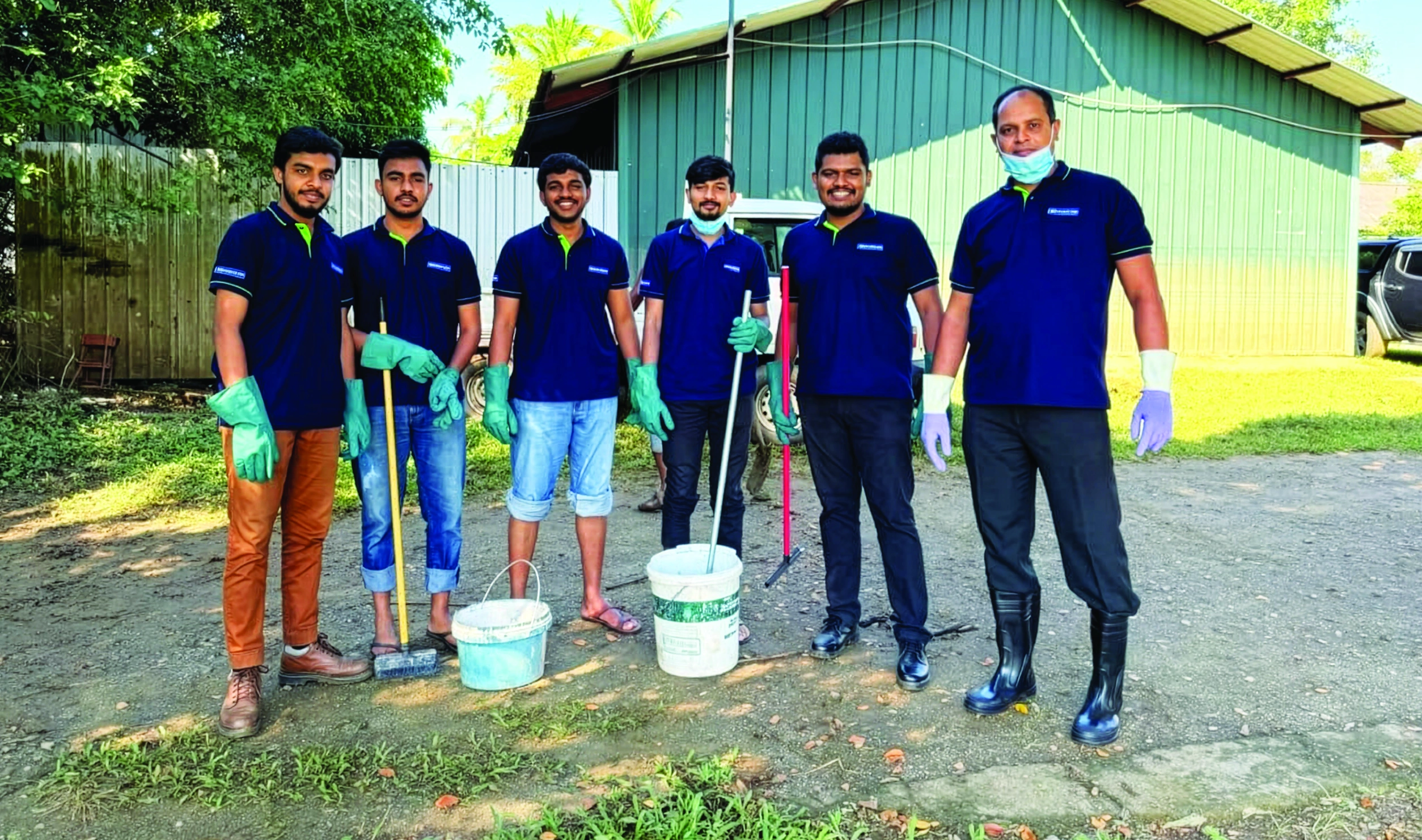
Staff members volunteering in a community clean-up,
initiative, reflecting the Bank’s commitment to environmental responsibility and community engagement.
Targets and metrics
Human capital performance – 2025
Employment and workforce stability
Table – 21
| Indicator | 2025 | 2024 |
| Attrition rate (%) | 7.31 | 8.25 |
| Net workforce growth | +265 | +260 |
Talent attraction, renewal, and succession
Table – 22
| Indicator | 2025 % |
2024 % |
| Early-career hiring (18-30 years) |
88.72 | 91.14 |
| Workforce – 18-30 years | 42.19 | 39.57 |
| Workforce – 31-50 years | 48.62 | 50.74 |
| Workforce – Above 50 years | 9.19 | 9.69 |
Diversity, equity, and inclusion
Table – 23
| Indicator | 2025 % |
2024 % |
| Female representation | 33.11 | 30.27 |
| Female recruitment | 54.45 | 54.14 |
| Female promotions | 21.07 | 19.91 |
| Female in senior management | 1.05 | 0.88 |
Learning and development
Table – 24
| Indicator | 2025 | 2024 |
| Average training hours per employee | 6 | 6 |
| Average training cost per employee (Rs.) | 42,448 | 30,721 |
Employee wellbeing and retention support
Table – 25
| Indicator | 2025 | 2024 |
| Return-to-Work (from maternity Leave) Ratio (%) | 92.0 | 100.0 |
| 12-Month Retention After Return (from maternity Leave) (%) | 96.43 | 86.84 |
Outlook for 2026
The Bank’s workplace culture priorities are expected to remain anchored in practical objectives: strengthening employee experience through responsiveness; building capability through competency-based development pathways; and sustaining motivation and inclusion through recognition and wellbeing supports.
During 2025, the establishment of structured listening mechanisms, formalisation of flexible work across departments, strengthening of talent pipelines, deployment of competency frameworks, expansion of wellness infrastructure, and internal process digitalisation together illustrate an intent to embed culture into routine operating design rather than treat it as a periodic HR agenda.
Looking ahead, the durability of these outcomes will depend on disciplined implementation, ensuring leadership behaviours remain aligned with transparency and responsiveness; capability development translates into performance consistency across locations; and wellbeing and inclusion supports remain integrated into day-to-day employee experience rather than positioned as episodic campaigns.
Sustainable supply chain
Why sustainable supply chain matters
Sustainable supply chain management is material to Commercial Bank because procurement decisions and third-party relationships directly influence cost discipline, service reliability, operational risk exposure, and the Bank’s wider environmental and social footprint, particularly given the Bank’s systemically important role, nationwide physical network and recurring procurement needs.
The Bank therefore treats sustainable supply chain management as a governance and performance lever, not a reputational add-on, because third-party dependencies shape not only what is purchased, but how transparently and responsibly goods and services are sourced, managed and delivered across a distributed footprint. Oversight of this agenda spans both Procurement and Logistics, reflecting the fact that supplier selection, specification discipline, delivery arrangements and disposal practices collectively determine outcomes.
Our approach
Our approach is anchored in a simple logic: repeatable procurement controls reduce discretion and operational variability, and better traceability improves accountability and cost outcomes over time. Sustainability in procurement is treated as an execution discipline, embedded into sourcing rules, vendor onboarding and contract management, rather than a stand-alone programme. In this context, sustainable supply chain management covers how suppliers are selected and managed (including ethical and sustainability expectations), how procurement processes are governed and digitised to strengthen transparency and integrity, and how resource efficiency and circular practices are embedded into purchasing and logistics while maintaining commercial discipline.
This approach is delivered through three mutually reinforcing priorities:
- Governance and integrity in sourcing: structured processes, defined evaluation steps and documented decision-making for supplier selection and management.
- Supplier outcomes through practical controls: purchasing specifications that reduce avoidable environmental impacts, expand circular practices for consumables, and improve supplier-base composition (including supplier inclusion).
- Digitisation for transparency and discipline: procurement digitisation (e-tendering) to standardise supplier registration, RFP workflows and e-bidding, reducing manual discretion, strengthening traceability, and improving control over cost and outcomes.
Key developments during 2025
During 2025, the Bank further strengthened its sustainable supply chain management framework through a coordinated set of governance, digitalisation, environmental and supplier inclusion initiatives. The focus remained on establishing repeatable controls and measurable outcomes, ensuring that procurement decisions are transparent, defensible and consistently applied across the Bank’s distributed branch and office network.
1. Strengthening procurement governance and integrity
A key priority during the year was enhancing procurement governance through more structured vendor selection and documented decision-making.
- Structured RFP
processes:
Supplier selection in major outsourced service categories continued under formal RFP procedures. In 2025, full RFP-based evaluations were strengthened in selected areas, enhancing transparency, comparability and auditability of vendor assessments.
- Documented decision
frameworks:
Clear evaluation criteria and structured scoring mechanisms reduced subjectivity and strengthened management oversight of procurement decisions.
- Operational
efficiency improvements:
Service design refinements and targeted technology integration improved cost-effectiveness in selected operational areas.
- Technology-enabled measures reduced security labour intensity, without compromising safeguards.
- CCTV installation and maintenance were outsourced under structured arrangements, delivering measurable cost efficiencies while maintaining required service standards.
Together, these measures enhanced procurement discipline while supporting operational resilience and cost management.
2. Digitisation and process transparency
The year marked a significant step forward in procurement transparency through digital transformation.
- Integrated e-tendering platform: An end-to-end system was implemented covering supplier registration, structured RFP workflows and e-bidding, creating a standardised procurement process.
- Unified audit trail: The platform provides a consolidated, traceable record across the procurement lifecycle, enhancing documentation integrity and compliance readiness.
- Workflow standardisation: Automated workflows strengthen segregation of duties, reduce manual discretion and limit process variability.
- Structured bid evaluation: Systematic scoring and structured bid comparisons reinforce competitive integrity and reduce reliance on fragmented documentation.
Procurement discipline was further supported through year-on-year spend monitoring and tighter specification controls.
3. Embedding environmental controls in procurement
Environmental considerations were systematically integrated into purchasing specifications and logistics, moving from ad hoc actions to structured, process-driven practices.
Reducing packaging waste
Plastic packaging was eliminated in selected purchased items and replaced with eco-friendly alternatives. This reduced waste at source and embedded environmental criteria directly into purchasing decisions.
Circular procurement – Pen reuse pilot
A structured circular procurement model was introduced to improve resource efficiency:
A pilot project was initiated to introduce refillable pens, reducing the cost per pen by Rs. 14/- compared to the existing disposable pens. Upon successful rollout across the network, this initiative is expected to generate cost savings while supporting the Bank’s commitment to sustainable procurement and waste reduction through minimised single-use plastic consumption.

4. Structured e-waste management
Building on the 2024 framework, the Bank expanded its formal e-waste management programme across the branch network in 2025.
Over 5,000 units of IT and general equipment were collected and fully disposed through a recycler authorised by Central Environmental Authority (CEA).
The programme covers IT equipment (PCs, printers, scanners, network devices, mobile phones, ATMs/CRMs, storage devices, toners and cartridges) and general electrical equipment (air conditioners, refrigerators, microwaves, batteries, CFL and LED bulbs).
The programme aligns with the 4R principles (Reduce, Reuse, Recycle, Recover) and strengthens environmental accountability across operations.

5. Strengthening the supplier ecosystem
Supplier ecosystem outcomes were further enhanced through incremental inclusion and local sourcing discipline.
- Women supplier inclusion: Four female suppliers were introduced into the vendor network in 2025, contributing to gradual diversification of the supplier base.
- Local sourcing priority: Continued emphasis on domestic sourcing supports SMEs, enhances responsiveness across the branch network, reduces logistical complexity and contributes to national economic activity.
- Balanced evaluation framework: Supplier engagement is conducted within a structured sourcing framework that balances compliance with institutional standards, cost efficiency, quality assurance and responsible business practices.
Targets and metrics
Given that this sub-pillar is primarily about governance, control discipline and measurable operational outcomes, targets and metrics are most decision-useful when they demonstrate how consistently procurement controls are being applied, what circularity and waste outcomes are being achieved, how supplier ecosystem composition is changing, and whether cost discipline is being sustained through specification control and transparent sourcing.
Accordingly, the Bank tracks progress using the following set of metrics that align directly to the initiatives described above.
- E-tendering coverage: 95% of eligible tenders conducted via the e-tendering platform; 67 suppliers registered; 52 RFPs/e-bids processed.
- Supplier inclusion: 4 of new suppliers that are women-owned/led; over 20 new local SMEs onboarded.
- E-waste management: Over 5,000 units of IT and general equipment were collected and 100% disposed via a CEA-authorised recycler.
Outlook for 2026
Looking ahead, the Bank’s sustainable supply chain priorities will continue to focus on strengthening procurement transparency, embedding environmental requirements into purchasing specifications, expanding circular-economy practices beyond pilots where evidence supports replication, and enhancing supplier governance mechanisms. Future efforts are expected to build on the digitised procurement framework and operational controls established to date, ensuring that sustainability outcomes are achieved through structured processes, measurable efficiencies and disciplined vendor management, supporting long-term operational resilience and institutional integrity.
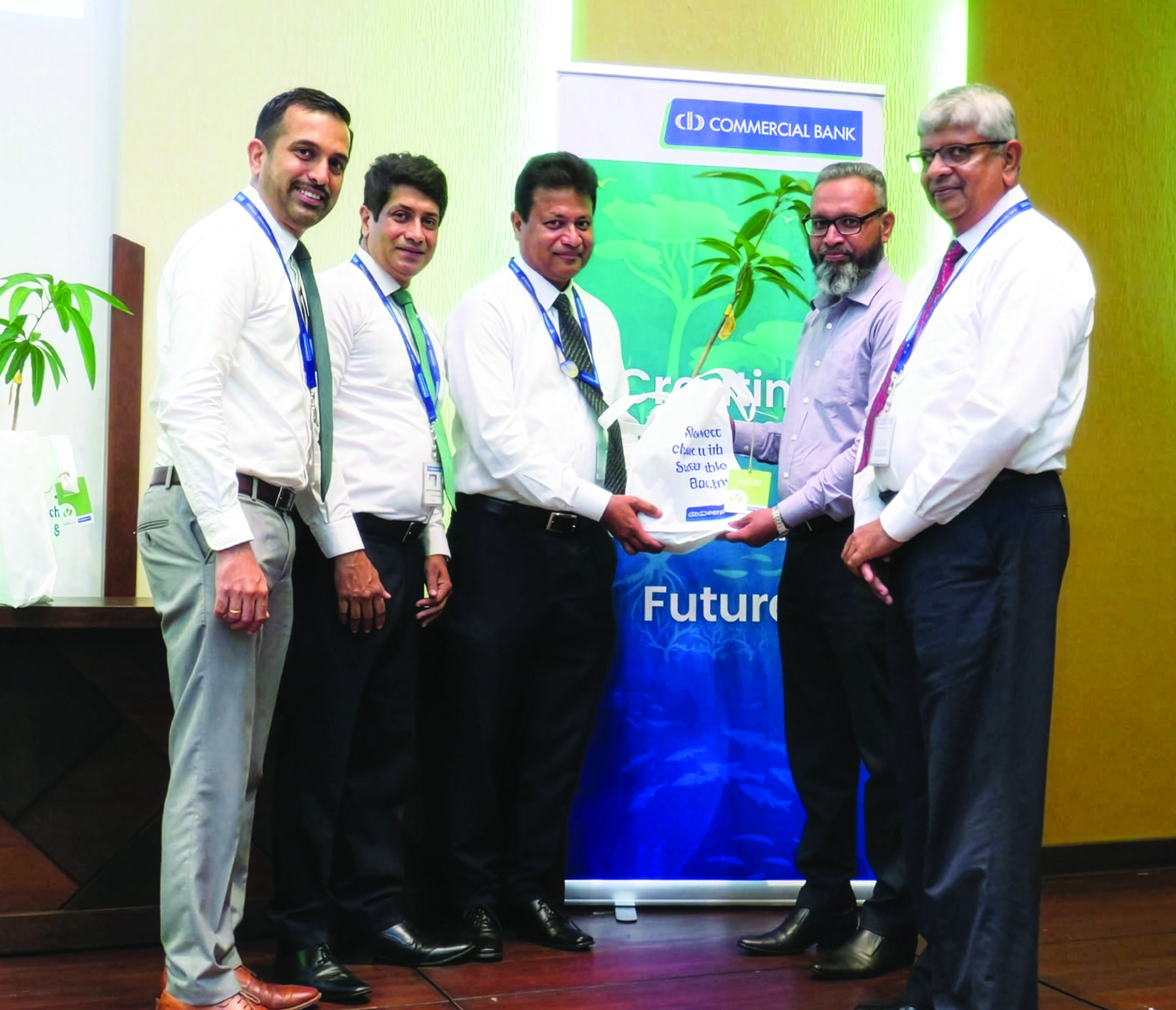
The Bank engaging suppliers through its Sustainable Supply Chain initiative at a supplier
engagement event,,
symbolised by the presentation of a sapling to promote environmentally responsible business practices.